
Pigmentation Treatment : Understanding Pigmentation and Dark Spots Causes
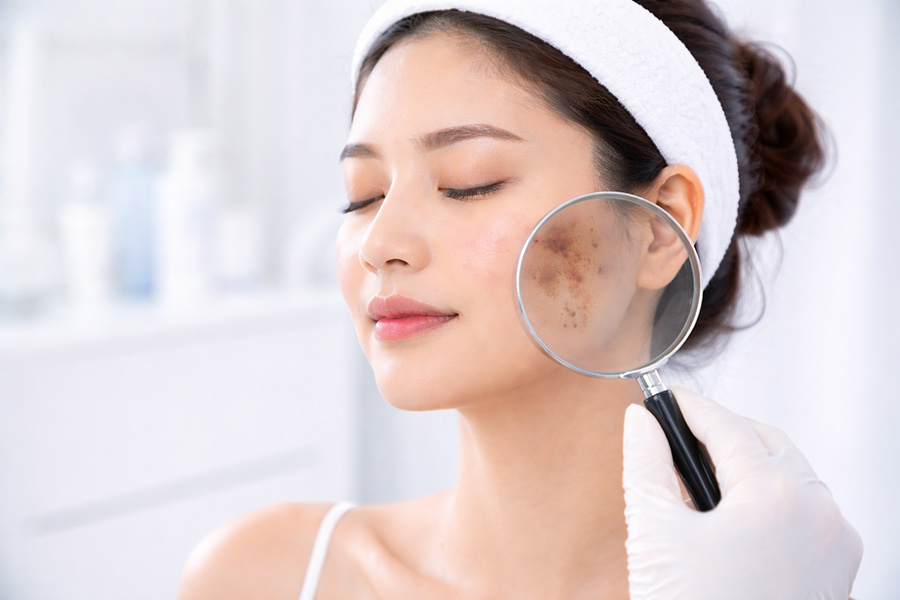
Skin pigmentation and dark spots are common skin concerns that affect many individuals. These changes in skin color can appear as small dark patches, uneven skin tone, or larger areas of discoloration on the face and body.
While pigmentation is usually harmless, it can affect confidence and overall appearance. Understanding the causes of pigmentation is the first step toward finding the right pigmentation treatment for healthier and clearer skin.
At Nazirin Skin Clinic, professional skin consultation can help determine the type of pigmentation and recommend suitable treatment options.
What Is Skin Pigmentation?
Skin pigmentation refers to the coloring of the skin caused by a natural pigment called melanin. Melanin is produced by cells known as melanocytes.
When melanin production becomes uneven or excessive, it can lead to dark patches, spots, or discoloration on the skin. Common types of pigmentation include:
- Sun spots
- Age spots
- Melasma
- Post-inflammatory hyperpigmentation
- Dark marks from acne scars
These conditions may vary in severity and require different approaches for effective pigmentation treatment.
Common Causes of Pigmentation and Dark Spots
Understanding the underlying causes can help identify the most appropriate treatment.
1. Sun Exposure
One of the most common causes of pigmentation is prolonged exposure to ultraviolet (UV) rays. The skin produces more melanin to protect itself from sun damage, which can result in dark spots or uneven skin tone. Using sunscreen regularly can help prevent further pigmentation from forming.
2. Hormonal Changes
Hormonal fluctuations can trigger a type of pigmentation called melasma. This condition often appears during:
-
- pregnancy
- hormonal therapy
- use of certain medications
Melasma commonly appears on the cheeks, forehead, and upper lip.
3. Acne and Skin Inflammation
After acne heals, some individuals may develop dark marks known as post-inflammatory hyperpigmentation. These spots can remain visible for weeks or even months without proper treatment.
Professional pigmentation treatment can help reduce the appearance of these marks.
4. Aging
As the skin ages, melanin production may become uneven. This can lead to the formation of age spots, especially on areas frequently exposed to the sun. These spots are commonly found on the face, hands, and shoulders.
5. Genetics
Some people are naturally more prone to pigmentation due to genetic factors. If pigmentation runs in the family, individuals may experience dark spots more easily. While genetics cannot be changed, effective pigmentation treatment can help manage the condition.
Pigmentation Treatment Options
There are several treatments available to reduce pigmentation and improve overall skin tone. The most suitable treatment often depends on the type and severity of pigmentation.
Medical-Grade Skincare
Dermatologist-prescribed skincare products may contain ingredients that help regulate melanin production and lighten dark spots gradually.
Chemical Peels
Chemical peels work by exfoliating the outer layer of the skin, helping remove damaged skin cells and encouraging new skin growth. This treatment can improve skin texture and reduce pigmentation over time.
Laser Skin Treatment
Laser technology targets excess pigment in the skin and breaks it down into smaller particles that can be naturally removed by the body. Laser treatment is commonly used for stubborn pigmentation and sun spots.
Customized Skin Treatment Plans
Every skin type is different. A professional skin clinic can evaluate the condition of the skin and recommend a personalized pigmentation treatment plan. At Nazirin Skin Clinic, treatment plans are designed to address the root causes of pigmentation while improving overall skin health.
Tips to Prevent Pigmentation
Prevention is an important part of maintaining healthy skin. Here are some helpful habits to reduce the risk of pigmentation:
- Apply sunscreen daily
- Avoid prolonged sun exposure
- Maintain a consistent skincare routine
- Treat acne early to prevent dark marks
- Seek professional advice for persistent pigmentation
When Should You Seek Professional Pigmentation Treatment?
If pigmentation becomes more noticeable or does not improve with regular skincare products, consulting a skin clinic may be beneficial.
Early treatment can help prevent pigmentation from becoming deeper and more difficult to treat.
With the right approach and professional guidance, pigmentation can be managed effectively, helping restore clearer and more even-looking skin.
Why Choose Nazirin Skin Clinic?
Nazirin Skin Clinic offers medically supervised skin treatments that prioritize accuracy, safety, and sustainable results. Each pigmentation treatment plan is tailored to your skin condition, ensuring optimal outcomes without unnecessary irritation.
Recent Blog Updates
Do you have any question regarding your skin problem?
Whether you are interested in a particular treatment or looking for a more comprehensive program, just give us a call or drop by. We will tend to your every skin needs.